
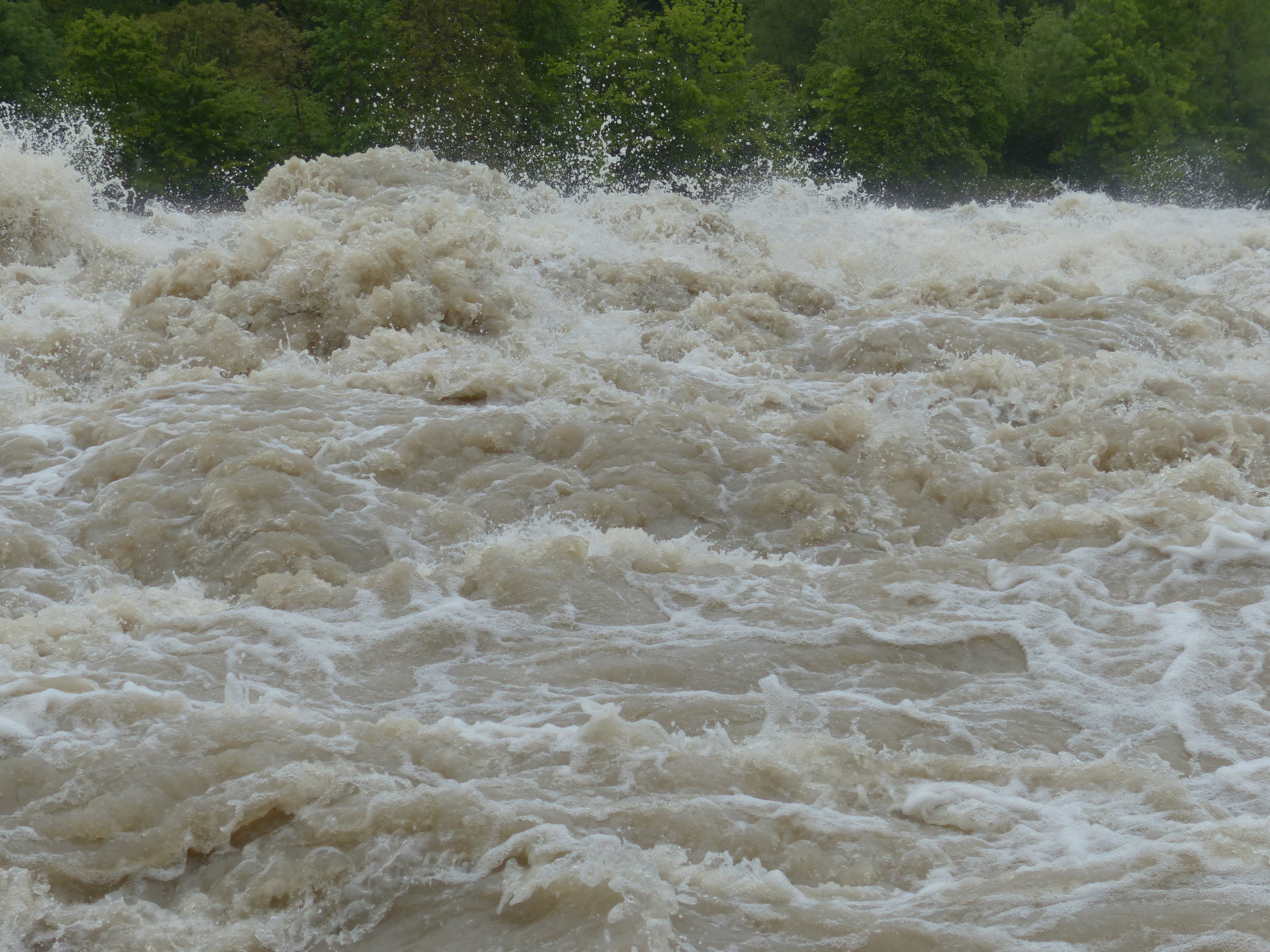
In late September, the River Dayi flooded several parts of Hohoe Municipality in Ghana, close to the border with Togo. According to the National Disaster Management Organisation (NADMO), around 5,000 people have been affected, more than 3,000 of whom had to leave their homes temporarily.
More than 400 houses were flooded. The worst-hit area was the Zongo neighbourhood, where more than half was under water. Mud houses in particular were destroyed, and many people lost their belongings. Hundreds found shelter in classrooms and mosques.
The flooding was not caused by local rainfall alone. According to Thomas Worlanyo Tsekpo, Member of Parliament for Hohoe, heavy rain in neighbouring Togo combined with months of continuous rain in Hohoe itself. Because Hohoe is low-lying, water from across the border flows into the area, so water levels continued to rise even after the rain there had stopped. Tsekpo praised NADMO and the security services for carrying out the evacuations, but acknowledged that the local authorities could not cope on their own, and appealed for support.
On 29 September, NADMO reported that the water was receding in some parts of the municipality and that the first residents were returning home. The organisation distributed mattresses, food and mosquito nets, while the Ghana National Fire Service helped to supply clean water.