

In view of rising sea levels, the increasing loss of mangrove coastal forests and progressive coastal erosion, Togolese coastal communities are engaging in environmental protection. From Aného to Tsévié, via Agbodrafo, Goumoukopé, Lilicopé and Ayronkopé, local initiatives are seeking to counter these trends.
These initiatives are supported by the Food and Agriculture Organization of the United Nations (FAO) and the Global Environment Facility (GEF) as part of the project "Building Resilience to Climate Change of Coastal Communities in Togo" (R4C-Togo).
In these areas, which are exposed to coastal erosion, salinisation and declining fish stocks, the project supports the population in restoring ecosystems, reforestation, sustainable aquaculture, and the development of income-generating work, particularly for women and young people.
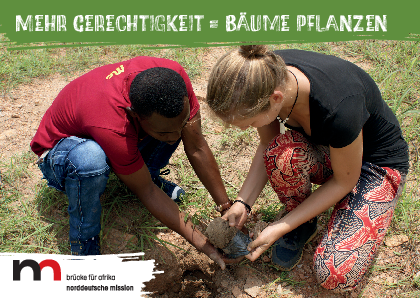
Amongst other things, this involves reforestation with coconut palms, which slow erosion and increase agricultural productivity; the development of crab and oyster farming systems in restored lagoon areas; the reforestation of mangroves, essential for biodiversity and ecosystem protection; and the stabilisation of riverbanks and the resumption of agricultural activities.
In addition, the energy supply has been improved and the operation of various production facilities made easier.
Overall, it is hoped that the restoration of ecosystems, the protection of natural resources and the development of sustainable economic activities will bring about a fundamental improvement in the overall situation in the threatened coastal areas. Togo is not alone in facing these problems; similar programmes to stabilise the coastal region are also underway in Ghana.